Three notes from the atelier: brand identity, guest experience and department-by-department design.
How to choose hotel uniforms begins with the brand, not the garment. A hotel brand is experienced through hundreds of details, from the entrance and interior design to the scent of the lobby and the tone of every greeting. Staff uniforms are among the most visible of these details. They turn employees into recognizable brand representatives and help create a consistent impression throughout the property.
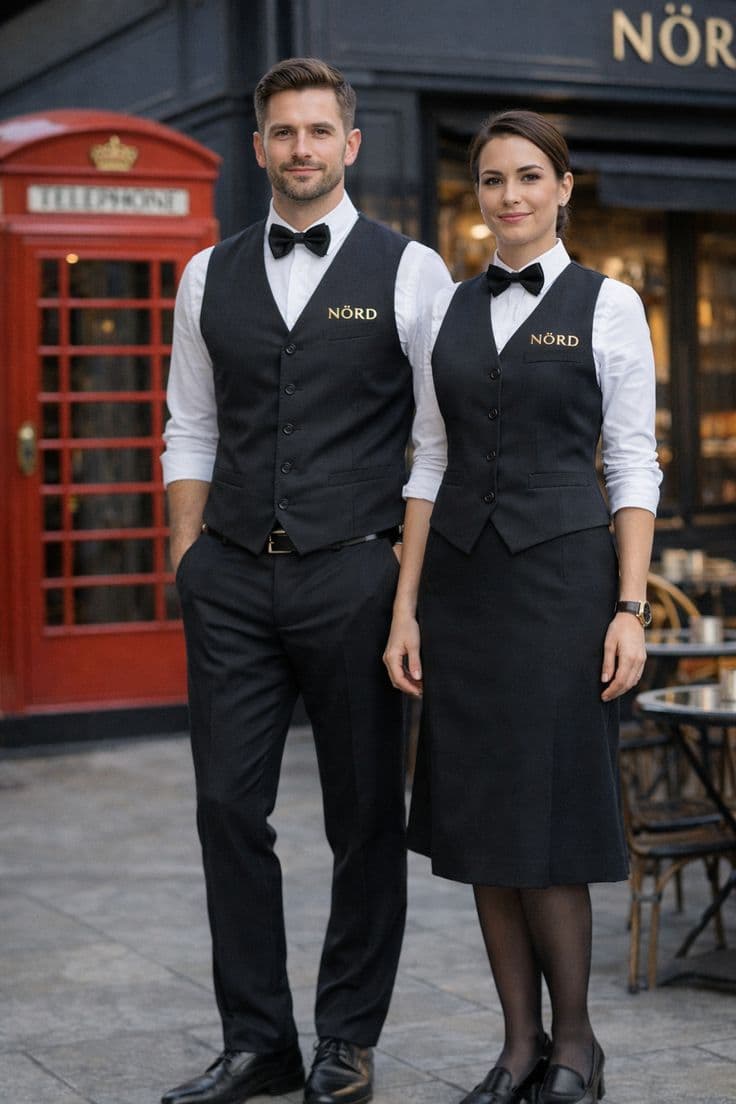
Effective hotel uniforms should reflect the hotel’s positioning. A luxury resort may use tailored silhouettes, elegant neutrals, premium fabrics, and discreet embroidery. A modern city hotel might choose minimalist designs with contemporary cuts and distinctive accent colors. Boutique properties can introduce local materials, artistic patterns, or custom details that connect the team’s appearance to the destination.
Consistency does not require every employee to look identical. Receptionists, concierges, housekeepers, restaurant servers, spa teams, and managers have different responsibilities. Their garments should support those roles while sharing common colors, fabrics, trims, or branding elements. This coordinated approach creates variety without losing visual unity.
Quality is essential because uniforms represent the hotel every day. Garments must maintain their shape, color, and finish after repeated washing and long shifts. Comfortable construction, breathable fabrics, and practical features help employees perform confidently without compromising appearance.
Customization makes a collection truly distinctive. Embroidered logos, branded buttons, contrast piping, signature scarves, or specially designed aprons can communicate personality in a refined way. These details should complement the architecture and interior rather than compete with them.
When hotel uniforms are thoughtfully designed, they become more than workwear. They express the brand’s values, reassure guests, and create pride among employees. Investing in a coordinated professional collection helps the entire team present one clear identity, making every interaction feel intentional and every area of the hotel part of the same memorable story across every season, location, and point of guest contact worldwide. That is the practical answer to how to choose hotel uniforms: start from the brand, then let each department’s job decide the details.
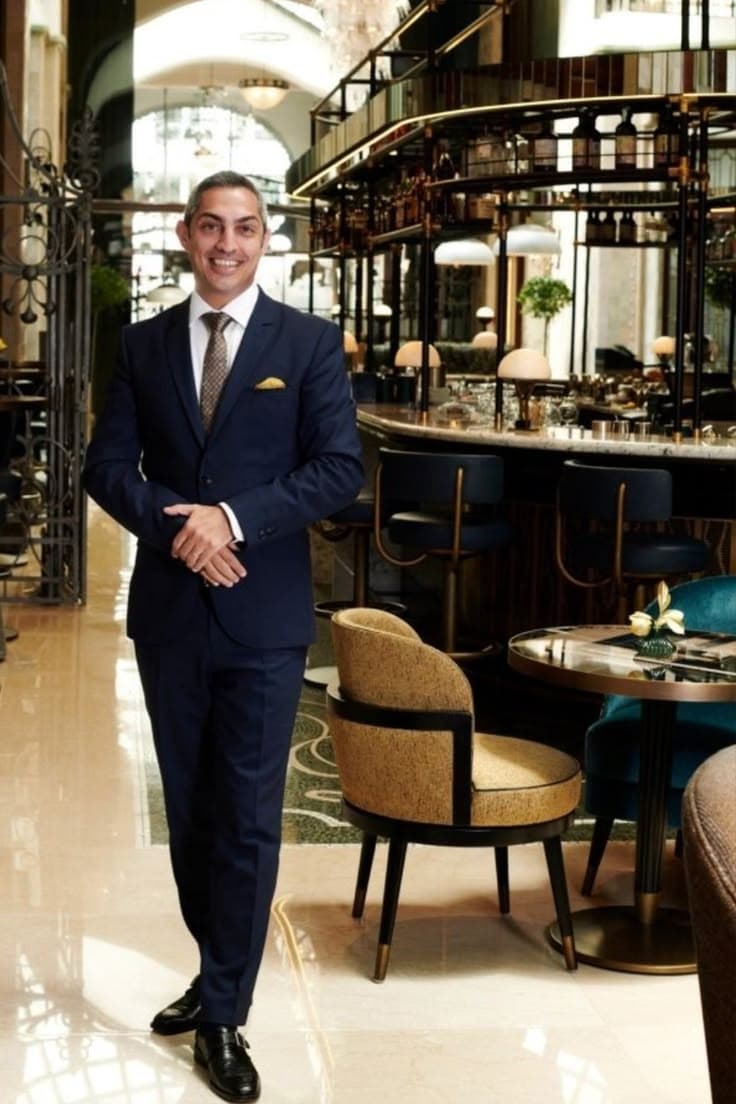
Guests begin forming opinions about a hotel before they reach the reception desk. That is why how to choose hotel uniforms matters at the door: the welcome at the entrance, the appearance of the lobby, and the professionalism of the team all influence their expectations. Well-designed uniforms support this first impression by making employees look approachable, organized, and ready to assist.
Clear visual identification is especially important in busy properties. Guests should quickly recognize a concierge, receptionist, porter, housekeeper, restaurant server, or spa employee when they need help. Coordinated uniforms make this easier while also communicating the level of service associated with the hotel.
Comfort directly affects hospitality. Employees who can move freely and remain comfortable throughout long shifts are better able to focus on guests. Breathable materials, flexible fits, practical pockets, and role-specific construction reduce distractions and support efficient service. Housekeeping teams need durable garments that allow movement, while front-office employees may require more tailored pieces with softer, flexible fabrics.
Uniforms can also communicate the hotel’s atmosphere. Relaxed resort clothing creates a different emotional response from formal city-hotel tailoring. Warm colors and natural textures can make a property feel welcoming, while dark structured garments may suggest exclusivity and precision. Every design decision contributes to the guest’s understanding of the brand.
Cleanliness and consistency are equally important. Fresh, well-maintained uniforms reassure guests that the hotel applies high standards throughout its operations. Even subtle details, such as polished buttons, neat embroidery, or coordinated accessories, can reinforce trust.
Excellent hospitality depends on human interaction, but appearance frames that interaction. A professional uniform helps employees approach guests with confidence and allows guests to identify assistance immediately. By combining comfort, clarity, and brand character, hotel uniforms contribute to smoother service and create a polished experience that guests are more likely to remember, recommend, and revisit during every hotel stay.
A hotel is a complex operation where many departments work together to create one seamless guest experience. Deciding how to choose hotel uniforms across all of them means responding to different physical tasks, service expectations, and working environments while maintaining a consistent visual identity across the property.
Front-desk and concierge teams need polished garments that remain comfortable during long periods of standing. Tailored jackets, flexible trousers, elegant dresses, and breathable shirts can provide structure without restricting movement. Porters and valet employees require durable outerwear, practical pockets, and weather-appropriate layers that still reflect the hotel’s style.
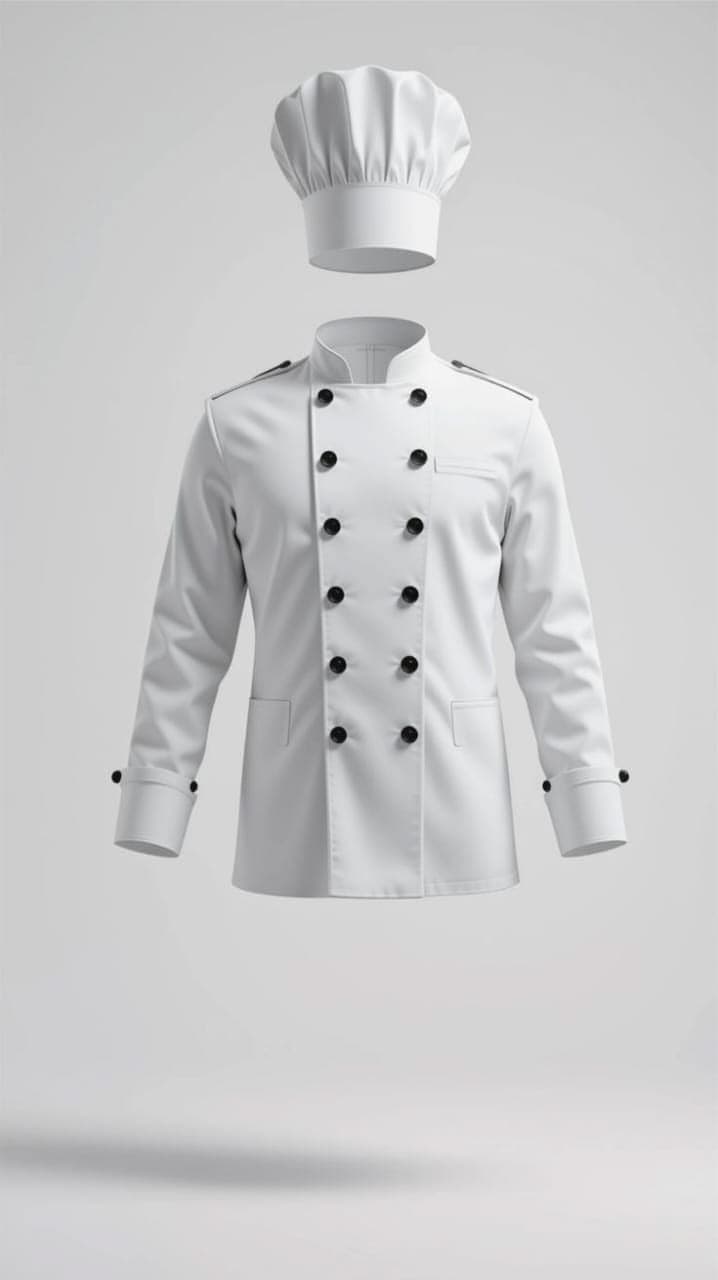
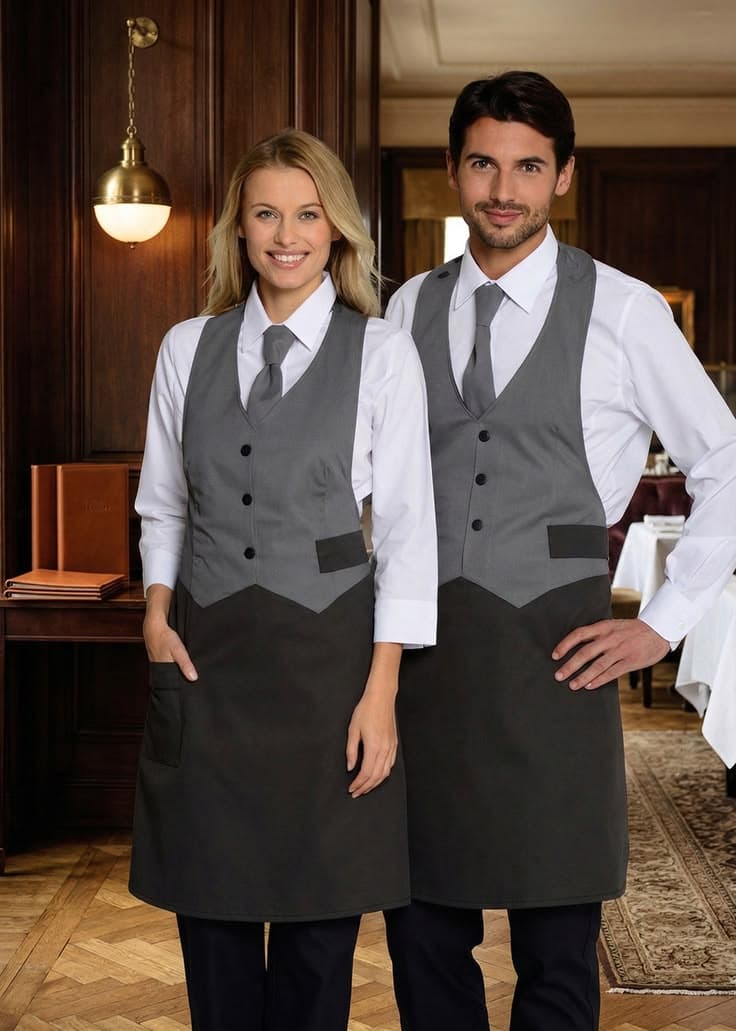
Housekeeping uniforms must prioritize mobility, strength, and easy maintenance. Stretch fabrics, side vents, secure closures, and functional pockets support repetitive movement and cleaning tasks. Restaurant and bar teams benefit from stain-resistant shirts, service aprons, and garments designed for fast movement. Kitchen staff require breathable chef jackets, protective aprons, durable trousers, and fabrics that tolerate heat and frequent washing.
Spa and wellness employees need softer materials and calming silhouettes that complement a relaxing environment. Maintenance and technical teams require robust garments with reinforced areas, storage pockets, and safety features. Managers may wear more formal pieces, but their clothing should remain visually connected to the wider collection.
Choosing the right fabric is as important as choosing the design. Materials should be tested for comfort, durability, color retention, shrinkage, and commercial laundering. Reliable sizing and thoughtful tailoring ensure that every employee receives a garment that fits properly and supports confident movement.
The strongest hotel uniform programs combine role-specific function with shared branding. Repeated colors, trims, embroidery, or accessories connect different departments without forcing everyone into the same outfit. This balance improves performance, simplifies identification, and gives the entire property a coordinated professional appearance that supports both employees and the overall guest experience. If you are still weighing how to choose hotel uniforms for a mixed team, that balance is the place to start.
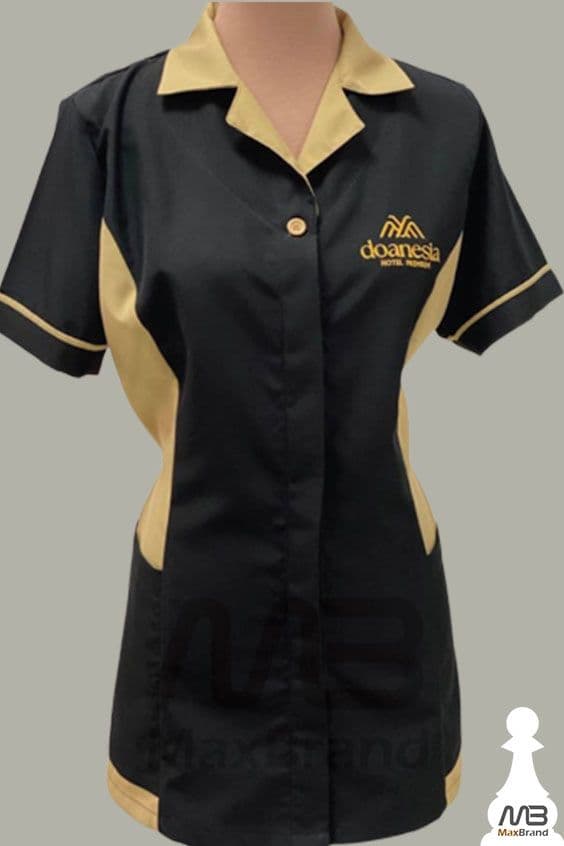
Price per garment is the number most hotels compare, and it is the least useful one. A jacket that costs twenty per cent less but is replaced twice as often is not cheaper. When you are working out how to choose hotel uniforms on a fixed budget, the figure that matters is cost per wear: the price of the set divided by the number of shifts it survives while still looking presentable.
Start with how many sets each person needs, because that drives the budget more than the unit price does. Housekeeping usually needs three – one on, one in the wash, one in reserve – because the work is physical and the laundry cycle is daily. Reception and concierge can often manage with two, since the garments take less punishment and are worn in a controlled environment. Kitchen brigades sit closer to housekeeping. Restaurant and bar teams land in between, although aprons are replaced more often than anything else in the building.
When people ask how to choose hotel uniforms without overspending, four things move the price of a single garment: fabric weight and blend, how the garment is constructed, how much embroidery it carries, and the size of the order. Fabric is where most of the difference sits – a heavier, tighter weave costs more per metre and lasts noticeably longer under industrial laundry. Construction shows up later: reinforced underarm seams, bar-tacked pockets and properly finished hems are invisible on delivery and obvious after six months.
Order size matters more than most buyers expect. Cutting twenty of the same jacket costs materially less per unit than cutting six, because the pattern is laid out once and the fabric is bought in one roll. If you are dressing several departments, ordering them together rather than one at a time is usually the largest single saving available to you – and it keeps colours consistent, since dye lots vary between batches.
Build in a buffer. Whatever else you decide about how to choose hotel uniforms, this is the cheapest protection you can buy. A hotel that orders exactly enough sets for its current headcount will be paying a small-order premium three months later, when it hires for the season. Producing five to ten per cent extra in the most common sizes at the time of the main order costs very little and means a new starter is dressed on day one rather than three weeks in.
So where can you safely spend less? Trouser and skirt fabric can usually be a grade below the jackets, because it takes less visible wear. Where you should not: anything a guest sees at close range, anything that goes through daily industrial laundry, and the embroidery. Cheap embroidery frays, and a frayed logo reads worse than no logo at all. When we send a quote we will tell you which lines are worth trimming and which are false economy.
Send us an email with your questions or the details you need, and we will reply within 24 hours.